The pacifier is not just a rubber object. For a toddler who has had one since infancy, it is a primary source of comfort, self-regulation, and safety. It is the thing they reach for when overwhelmed, when scared, when tired.
Taking it away is not a small thing. It is a genuine loss — and pretending otherwise is the fastest way to make the transition harder than it needs to be.
The most effective pacifier goodbye approaches validate the attachment while celebrating what comes next. A personalized storybook is one of the most powerful tools for doing exactly that.
Why Reframing Matters More Than Removing
Parents often approach pacifier weaning as a problem to solve: hide it, distract from it, slowly reduce access. These approaches sometimes work, but they share a common limitation — they treat the pacifier as the problem rather than the child's relationship with it.
What works better, according to developmental research, is reframing the transition as growth.
A toddler who understands "you are growing up and your body doesn't need this the same way anymore" responds very differently than a toddler who experiences "this comfort object is being taken away." The first narrative makes them a protagonist in their own development. The second makes them a victim of it.
A personalized storybook does this reframing in the most effective way possible: through a story where the child themselves is the protagonist who chooses to grow.
What a Pacifier Goodbye Book Does
When your toddler reads a story where:
- They are the character saying goodbye to the pacifier
- The goodbye is framed as a sign of growing up, not a loss
- The story shows them finding new comfort sources (a special blanket, a parent's cuddle, a stuffed animal)
- Their specific comfort and attachment is validated before it is released
...the transition shifts from something happening to them to something they are doing.
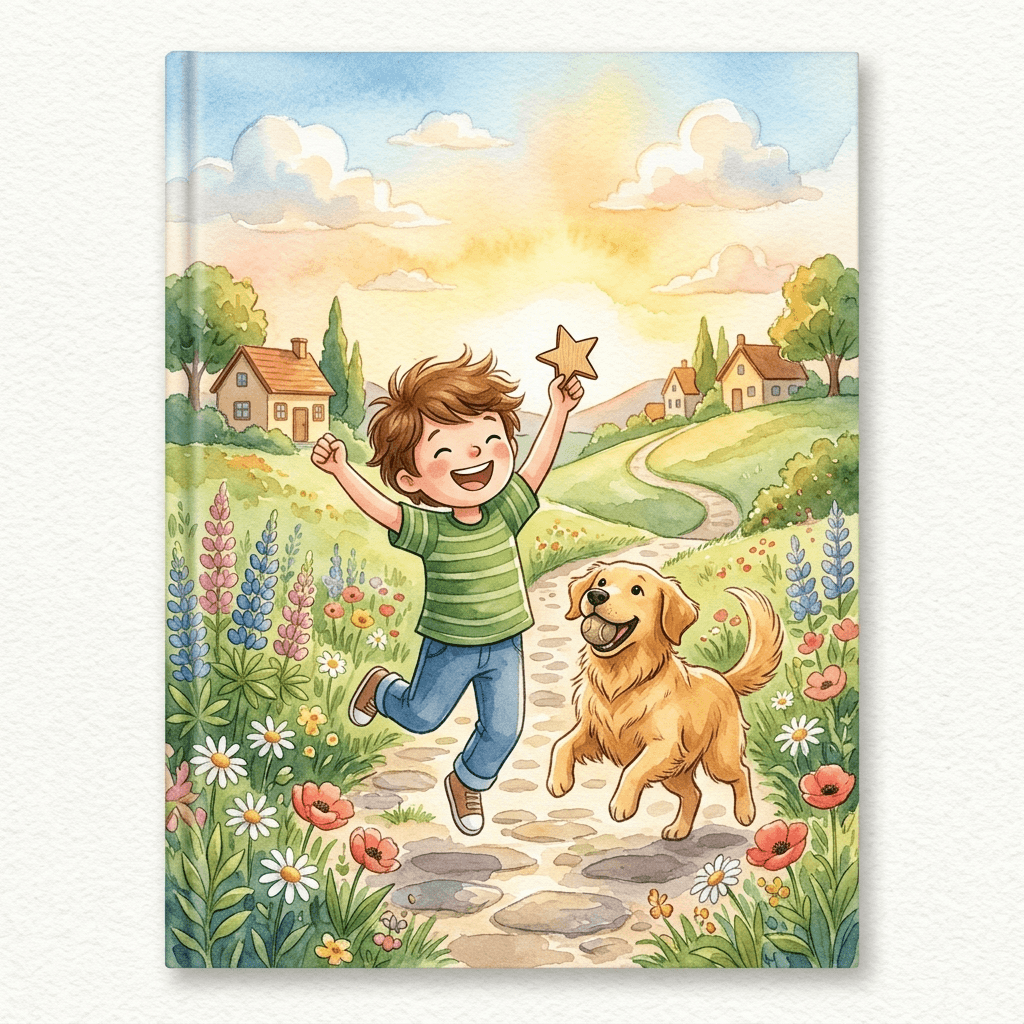
The personalization matters especially. When children see their own face in the illustrations — recognize themselves as the character who is brave enough, big enough, and ready — the story becomes part of their self-concept.
Many parents report that within a week of reading a personalized pacifier goodbye book daily, their toddler begins narrating the transition themselves: "I'm like [character], I'm a big kid now."
Story Ideas for Saying Goodbye
Browse the full collection at Lullaby's pacifier goodbye story starters.
Including Your Family's Goodbye Ritual
The most effective stories match your family's specific approach:
The Pacifier Fairy: Your child decides to leave their pacifier out at night, and the Pacifier Fairy (who gives pacifiers to babies who need them) leaves something special in exchange. The child's generosity is celebrated.
The Garden Goodbye: The family buries the pacifier in the garden, where it grows into a magical flower. The child watches something new come from their act of letting go.
The Birthday Graduation: On a specific birthday, the child decides they are officially a big kid and no longer need it. The birthday becomes the frame for the transition.
The New Comfort: The story focuses on the new comfort sources the child discovers — a special stuffed animal they choose, a song they learn to hum, a squeeze they ask for instead.
How to Write the Prompt
Acknowledge the pacifier's role before releasing it. Skipping this step makes children feel their attachment is not valid:
Instead of: "Sofia decided she didn't need her pacifier anymore."
Try: "For as long as Sofia could remember, her pacifier had helped her feel safe and calm. It was small and pink and always there. But Sofia was growing — and as she grew, she found new ways to feel safe: Mom's arms, the song they sang together, her soft rabbit who always smelled like home. One day, Sofia decided she was ready."
Include:
- The specific comfort the pacifier provided (validate it)
- Your child's name and personality
- The new comfort sources you are introducing
- Your family's specific goodbye ritual
- A moment of pride — the child feeling capable and grown
The Week Before and the Week After
Before weaning begins: Read the book daily. Let your child become the character. Talk about the story as if it is their own upcoming adventure.
During weaning: On difficult nights, refer to the story warmly: "Remember in your book, how you found your rabbit? Let's find yours." The book becomes a script for the transition.
After: Many children keep asking for the book for weeks after weaning is complete — not because they miss the pacifier, but because the story celebrates their accomplishment. Let them have it.
Growing Up Is the Point
The pacifier goodbye is not just about dental health or sleep schedules. It is one of the first times a child is asked to actively release a source of comfort they genuinely love.
That is a significant developmental ask. A child who does it successfully — who lets go willingly, with pride — has learned something important about their own capability.
A personalized storybook is not the only way to support this transition. But it is one of the few that gives the child agency in their own story — and that is the frame that works.
Browse pacifier goodbye story ideas →
Related Reading
- Best Personalized Children's Books in 2026 — All personalized milestone book options
- How to Write Great Story Prompts — Creating a story your toddler will connect with
- AI Picture Book for Kids Guide — Best AI tools for milestone storybooks