"Mom, I don't want to read. Reading is boring."
If you've heard this from your child—or watched them drag their feet, sigh dramatically, or suddenly need the bathroom every time you suggest reading time—you're dealing with a reluctant reader.
The statistics are sobering: research shows that by age 9, many children have already decided whether they're "readers" or "non-readers." Once that negative identity forms, it becomes self-reinforcing. They avoid reading, fall further behind, and the gap widens.
But here's the surprising truth: most reluctant readers don't lack the ability to read. They lack motivation. And motivation—unlike inherent reading ability—can be built through the right experiences.
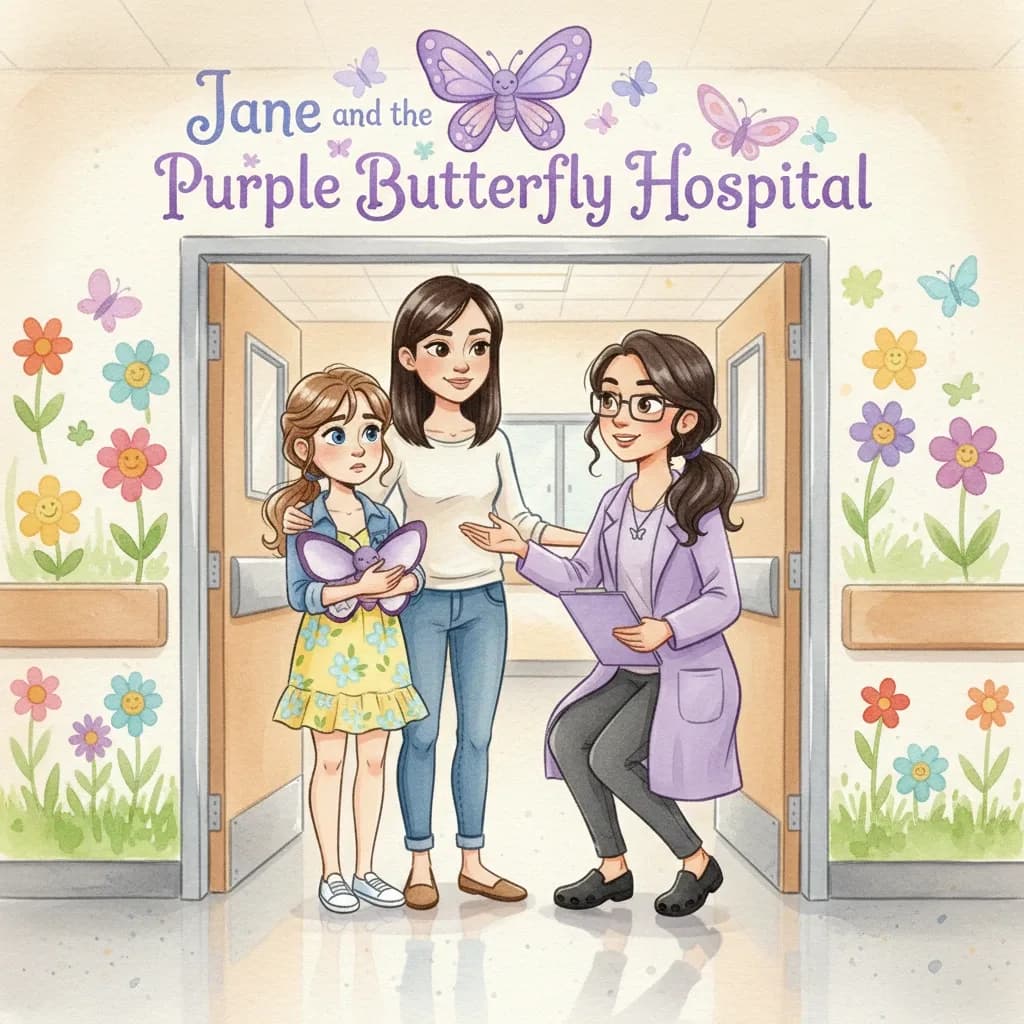
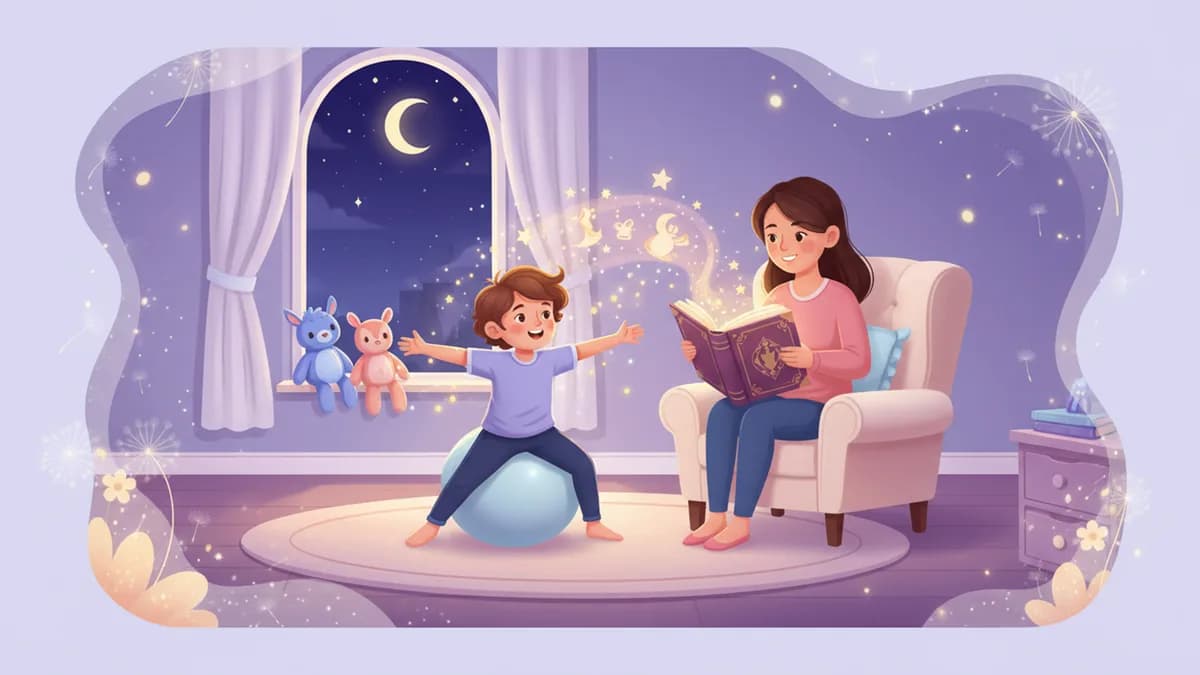
Enter personalized books: stories where your child is literally the main character, facing challenges, having adventures, and emerging victorious. For reluctant readers, seeing themselves as the hero of a story changes everything.
This guide explores why children become reluctant readers, how personalized stories address the root causes of reading resistance, and practical strategies for using custom books to rebuild reading confidence.
What Is a Reluctant Reader?
A reluctant reader is a child who has basic reading ability but actively avoids reading, shows little interest in books, or requires significant coaxing to engage with texts.
Reluctant Readers vs. Struggling Readers
It's critical to distinguish between two types of reading challenges:
Reluctant readers (motivational issue):
- CAN decode words at grade level
- WON'T choose to read voluntarily
- Read when required but minimize effort
- Often excel in other areas (math, art, sports)
Struggling readers (skill deficit):
- CAN'T decode words at grade level
- Try hard but have difficulty
- May have underlying learning differences (dyslexia, processing issues)
- Fall progressively behind peers
Important: Some children are BOTH reluctant AND struggling. The strategies in this article primarily address motivation, though they can complement skill-building interventions for struggling readers too.
Signs Your Child is a Reluctant Reader
Ages 5-7:
- Avoids book-related activities (library visits, storytime)
- Shows no curiosity about written words in environment (signs, labels)
- Never chooses books over other entertainment options
- Complains or makes excuses when asked to read
Ages 8-10:
- Can read but "doesn't like to"
- Chooses shortest possible books for school assignments
- Reads very slowly despite adequate decoding skills (lack of practice)
- Claims all books are "boring"
- Resists reading aloud
Ages 11-12:
- Strongly identifies as "not a reader"
- Associates reading with punishment or work
- Engages with text only for specific purposes (gaming guides, social media)
- Significantly behind peers in reading volume and vocabulary
Why Children Become Reluctant Readers
Understanding the root cause helps you choose the right intervention. Here are the most common reasons:
Reason 1: Nothing to Read About Them
The problem: Traditional children's books feature generic protagonists—often animals or kids with common names that aren't your child's name. For children who don't naturally identify with characters, this creates emotional distance.
What they think: "This book is about someone else. Why should I care?"
Research finding: Studies show that readers engage 40-60% more deeply with content when they see themselves represented—whether that's their name, appearance, culture, or experiences.
Reason 2: Early Negative Associations
The problem: If a child's early reading experiences were stressful (pressure to perform, punishment for mistakes, forced reading when frustrated), they associate books with negative emotions.
What they think: "Reading = getting in trouble / feeling stupid / being bored / disappointing parents."
Real example: A parent pressures a kindergartener to read before they're developmentally ready. The child struggles and cries. Years later, just seeing a book triggers anxiety.
Reason 3: Comparison to Peers
The problem: Around ages 6-8, children become aware of reading levels and comparisons. If they perceive themselves as "behind," they avoid reading to protect their self-esteem.
What they think: "Everyone else is better at this than me. If I don't try, I can pretend I just don't care."
The vicious cycle: Avoidance → less practice → falling further behind → more avoidance.
Reason 4: Content Doesn't Match Interests
The problem: Schools and libraries stock "popular" books, but your specific child might have niche interests (construction vehicles, dinosaurs, space exploration) not well-represented in accessible reading levels.
What they think: "None of these books are about what I like."
The struggle: A child who loves coding can't find age-appropriate fiction featuring tech-interested protagonists, so they disengage.
Reason 5: Reading Isn't "Cool"
The problem: In some peer groups, being a "nerd" or "bookworm" comes with social costs. Children prioritize social belonging over academic achievement.
What they think: "My friends don't read. If I like books, I won't fit in."
Peak age: This typically emerges around ages 8-10 when peer relationships become central to identity.
Reason 6: Competing Entertainment
The problem: Reading requires sustained attention and active imagination. Video games, YouTube, and tablets provide instant gratification with minimal effort.
What they think: "Why read when I can watch or play?"
The challenge: Building reading habits in a world of endless digital entertainment requires books that feel like "play" rather than "work."
Reason 7: Underlying Learning Differences (Undiagnosed)
The problem: Some reluctance masks undiagnosed dyslexia, ADHD, auditory processing disorder, or vision issues. Reading is genuinely harder for these children, so they avoid it.
What they think: "Reading hurts my brain/eyes/head. I'm just bad at this."
Red flags: If reluctance is paired with headaches, covering one eye while reading, losing place frequently, or extreme fatigue after short reading sessions, consult a specialist.
The Science of Motivation: Why Personalized Books Work
Personalized books don't just slap your child's name into a generic story. The best ones transform your child's photo into an illustrated character and build narratives around their real interests, challenges, and personality.
This personalization triggers multiple psychological mechanisms that overcome reading reluctance:
Mechanism 1: Self-Relevance Increases Attention
The research: Cognitive psychology shows that self-relevant information receives prioritized processing in the brain. When we see our name or recognize ourselves, attention systems activate automatically—we can't NOT pay attention.
In practice: A reluctant reader who ignores generic books will stop and focus when they see their own face on the cover.
Study finding: Children spend 3-4x longer looking at books with personalized elements compared to generic books (Source: University of Cambridge, 2023).
Mechanism 2: Emotional Investment Creates Engagement
The research: Narrative transportation theory explains that readers become "transported" into stories when they identify with protagonists. The more you identify, the more emotionally invested you become.
In practice: When YOU are the hero facing challenges, you're emotionally invested in the outcome. You keep reading because you want to know what happens to... you.
The contrast:
- Generic book: "I wonder what happens to Max."
- Personalized book: "What happens to ME?!"
Mechanism 3: Competence Builds Confidence
The research: Self-determination theory identifies competence as one of three fundamental psychological needs. When children feel competent, motivation follows.
In practice: Reluctant readers often believe "I'm bad at reading." When they successfully read a personalized book about themselves having adventures and solving problems, it challenges that belief: "If I can read THIS, maybe I can read other books too."
The success cycle: Read personalized book → Feel successful → Build confidence → Willing to try another book → Skills improve → More success.
Mechanism 4: Positive Association Replaces Negative
The research: Classical conditioning explains how experiences create associations. Negative reading experiences create negative associations; positive ones create positive associations.
In practice: A child with reading anxiety reads a personalized book about themselves being brave. The experience is fun, low-pressure, and emotionally positive. The positive association ("reading = fun stories about me") starts to replace the negative one ("reading = boring/hard").
Timeline: Research suggests that 5-10 consistently positive reading experiences can begin to rewire negative associations formed earlier.
Mechanism 5: Comprehension Improves with Familiar Context
The research: Schema theory shows that we comprehend information better when we can connect it to existing knowledge. Familiar contexts activate relevant schemas, improving understanding.
In practice: A story set in your child's real school, featuring their actual friends (with permission), and involving their real interests requires less cognitive effort to process. They already understand the context, so they can focus on reading the words instead of figuring out the world.
The result: Better comprehension → less frustration → more enjoyment → higher motivation to continue.
How to Use Personalized Books to Build Reading Confidence
Personalized books aren't magic. Used incorrectly (with pressure, high expectations, or as punishment), they can backfire. Used strategically, they're one of the most powerful tools for rebuilding reading motivation.
Strategy 1: Start with "Found It!" Success
The goal: Create an immediate positive experience with zero pressure.
How to do it:
- Create a personalized book featuring your child
- Leave it somewhere they'll discover it "by accident" (coffee table, their bed, car seat)
- When they find it, express surprise: "Wow, what's that? A book about YOU?"
- Let THEM choose whether to open it (curiosity usually wins)
- Read it TO them first, with no expectation they'll read it themselves
Why it works: Discovery feels playful, not forced. Reading TO them removes performance pressure while building interest.
Strategy 2: The "Guess What Happens Next" Game
The goal: Turn passive listening into active engagement.
How to do it:
- Read the personalized book TO your child (not asking them to read yet)
- At exciting moments, pause and ask: "What do you think happens next?"
- Build suspense: "Should we turn the page and find out?"
- Celebrate their predictions: "Great guess! Let's see..."
Why it works: Engagement without reading performance. They're participating in storytelling without the stress of decoding words.
Strategy 3: The "Read to Your Character" Technique
The goal: Shift from "I'm reading" to "I'm telling a story about myself."
How to do it:
- After reading the book TO them several times, suggest: "Want to read this book to the character? She (the illustrated you) would love to hear her own story!"
- Frame it as storytelling, not reading practice
- Let them "read" by describing pictures if needed (still processing narrative)
- Celebrate fluency, not accuracy
Why it works: Removes "performance" anxiety by reframing reading as play. They're not being tested; they're sharing a story.
Strategy 4: The "One Page" Rule
The goal: Build reading stamina gradually without overwhelming them.
How to do it:
- For early reluctant readers, start with: "Let's just read one page together."
- You read one sentence, they read the next (shared reading)
- After one page: "Great! Want to keep going or stop?" (Their choice)
- If they choose to continue, celebrate the choice: "You chose to read MORE! That's awesome!"
Why it works: Small wins build confidence. The "just one page" commitment feels manageable, and choosing to continue feels like their victory.
Strategy 5: Create a Series
The goal: Build anticipation and reading habit.
How to do it:
- Create multiple personalized stories featuring your child (different adventures, same character)
- Release them like episodes: "Tomorrow you can find out what happens in your next adventure!"
- Build excitement: "I wonder where you'll go in the next story..."
Why it works: Anticipation creates motivation. If they enjoyed the first story, they'll eagerly await the next one.
Strategy 6: The "Read to Someone Else" Technique
The goal: Give reading a purpose beyond practice.
How to do it:
- After they've become comfortable with their personalized book, suggest: "Grandma would LOVE to hear your story. Can you read it to her on our video call?"
- Or: "Your little brother wants to hear the story about you. Can you read it to him?"
Why it works: Reading for an audience gives purpose and builds confidence. They're not "practicing"; they're sharing something special.
Age-Specific Strategies for Reluctant Readers
Ages 4-6: Early Reluctance Prevention
Challenge: Reading is being introduced. Some children resist early literacy activities.
Personalized book approach:
- Use VERY simple text (1 sentence per page)
- Focus on familiar settings (their bedroom, their backyard)
- Include real people they love (parents, siblings, grandparents, pets)
- Theme: "A day in YOUR life" with gentle adventure
Example prompt: "Emma, age 5, who loves her stuffed bunny Fluffy, takes Fluffy on an adventure around her real house. They visit the kitchen (snack time!), the living room (dance party!), and her cozy bedroom (story time!). A gentle, repetitive story celebrating Emma's actual daily routine."
Reading strategy: You read 95% of the book; they "read" (identify) 1-2 sight words they know on each page. Celebrate wildly.
Ages 7-9: Addressing Emerging Reluctance
Challenge: Comparison to peers, loss of early excitement, "boring" generic books.
Personalized book approach:
- Feature them solving problems using their real strengths
- Include real friends (with permission) or relatable characters
- Address their actual current challenges (new school, learning a skill)
- Theme: "You are capable and special"
Example prompt: "Marcus, age 8, who loves video games but struggles with reading, discovers that the characters in his books come to life—but only if he reads the pages out loud. His favorite game character needs Marcus to read the 'Level Up' spell to defeat the villain. Marcus learns that reading is like unlocking codes in games—powerful and exciting."
Reading strategy: Alternate pages (you read one, they read one). Gradually shift to them reading more pages as confidence builds.
Ages 10-12: Overcoming Established Resistance
Challenge: "I'm not a reader" identity firmly established. Peer pressure. Years of avoidance.
Personalized book approach:
- Feature them in aspirational scenarios (future career, adventure they dream about)
- Include subtle references to their real insecurities in the story character's growth
- Avoid "babyish" themes; lean into sophistication
- Theme: "You're more capable than you think"
Example prompt: "Kai, age 11, who loves designing games but thinks he's not good at 'school stuff,' creates a video game where the main character is... him. As he plays, he realizes the puzzles in the game require the same logic he uses in math class (which he's actually good at). Kai discovers that skills transfer between his passions and his schoolwork—he's been smart all along, just in ways school didn't always recognize."
Reading strategy: No shared reading (too babyish). Instead, create short books (10-15 pages) they can finish in one sitting. Completion builds confidence.
Common Mistakes Parents Make (And How to Avoid Them)
Mistake 1: Turning Personalized Books into "Practice"
What it looks like: "Now read your personalized book for 20 minutes for homework."
Why it backfires: It transforms the book from fun to obligation. Reluctant readers already see reading as work—don't reinforce that association.
Better approach: Personalized books are "special" books, separate from homework. Read them during cozy, positive times (bedtime, weekend mornings, family reading time). Keep them associated with joy, not obligation.
Mistake 2: Setting the Bar Too High
What it looks like: "You read this whole personalized book so easily! Now you can read this chapter book I bought."
Why it backfires: Raising expectations too quickly creates pressure and fear of failure. They succeeded with the personalized book because it was about them—jumping to a harder, generic book might overwhelm.
Better approach: Build gradually. Celebrate the personalized book success without immediately moving the goalposts. Add more personalized books before transitioning to others.
Mistake 3: Using It as a Reward for Other Reading
What it looks like: "After you finish this chapter for school, you can read your personalized book."
Why it backfires: It positions personalized books as "dessert" and other reading as "vegetables"—reinforcing that reading is generally unpleasant.
Better approach: Personalized books ARE reading. They're not a reward for "real" reading; they're a valid, valuable reading experience that builds skills and motivation.
Mistake 4: Correcting Every Mistake
What it looks like: Child is reading their personalized book aloud. They stumble on a word. You immediately correct: "No, that word is..."
Why it backfires: Constant correction triggers anxiety and kills the flow of the story. Reluctant readers already feel incompetent; corrections reinforce that feeling.
Better approach: Let small mistakes go. If the mistake changes meaning significantly, wait until the end of the sentence and gently ask: "Did that make sense? Want to try that sentence again?" Prioritize fluency and confidence over perfect accuracy.
Mistake 5: Only Using Personalized Books
What it looks like: Child loves their personalized books and will read them, but you never introduce other books.
Why it backfires: The goal is to build general reading motivation, not just motivation for one type of book. Personalized books are a bridge, not the destination.
Better approach: Use personalized books to rebuild confidence, then gradually introduce high-interest books on topics they love. Transition from "books about me" to "books about things I care about."
Beyond Personalized Books: Building a Complete Reluctant Reader Strategy
Personalized books are a powerful tool, but they work best as part of a holistic approach:
1. Remove Pressure
What to do: Never force reading. Offer invitations: "Want to read together?" Accept "no" without disappointment.
Why it matters: Pressure increases resistance. Voluntary reading builds intrinsic motivation.
2. Model Reading
What to do: Let your child see you reading for pleasure. Talk about books you love. Show that reading is something adults choose to do.
Why it matters: Kids do what they see, not what they're told. If you don't read, why should they?
3. Create a Cozy Reading Environment
What to do: Designate a special reading spot with good lighting, comfortable seating, and minimal distractions. No screens in the reading zone.
Why it matters: Environment shapes behavior. A special reading nest makes reading feel like a treat, not a chore.
4. Prioritize Audiobooks
What to do: Let them listen to audiobooks while following along in the text. This isn't "cheating"—it's scaffolding.
Why it matters: Audiobooks build vocabulary and comprehension while reducing decoding pressure. They keep kids engaged with stories even when reading independently feels hard.
5. Focus on Enjoyment, Not Levels
What to do: Let them read "easy" books if they enjoy them. A child reading 5 "too easy" books is building skills faster than a child avoiding 1 "appropriate" book.
Why it matters: Volume matters more than level for reluctant readers. The goal is building reading habit and positive associations.
6. Connect Books to Their Passions
What to do: If they love Pokémon, get Pokémon books. If they love cooking, get kids' cookbooks. Graphic novels, magazines, comic books—all reading counts.
Why it matters: Motivation comes from content, not format. Once they're reading something regularly, you can gradually introduce variety.
7. Read Aloud Even to Older Kids
What to do: Keep reading chapter books aloud to kids even after they can read independently. Make it family time, not "baby" time.
Why it matters: Read-alouds build vocabulary, model fluency, and create positive book associations without performance pressure.
8. Celebrate Effort, Not Outcome
What to do: Praise trying ("You stuck with that tricky page!") not finishing ("You read the whole book!"). Process praise builds growth mindset.
Why it matters: Outcome praise creates pressure. Effort praise encourages persistence.
When to Seek Additional Help
Personalized books and motivation strategies work for many reluctant readers—but not all. Seek professional help if:
After 3-6 months of intervention:
- Reading skills aren't improving
- Resistance increases rather than decreases
- Child experiences extreme frustration, tantrums, or anxiety around reading
- They show physical symptoms (headaches, eye strain, fatigue)
Red flags requiring evaluation:
- Reversing letters/numbers after age 7
- Difficulty rhyming or identifying letter sounds
- Reading significantly below grade level despite interventions
- Family history of dyslexia or learning differences
Who to consult:
- School reading specialist or literacy coach
- Educational psychologist (can test for dyslexia, processing disorders)
- Pediatric optometrist (rule out vision issues)
- Occupational therapist (if sensory issues suspected)
Remember: Reluctance can mask underlying learning differences. If motivation strategies don't help, investigation is warranted.
Success Stories: From Reluctant to Eager Readers
Case Study: Emma, Age 7
Problem: Emma could read at grade level but claimed all books were "boring." She'd dramatically groan whenever her parents suggested reading.
Intervention: Parents created 3 personalized books featuring Emma having adventures based on her favorite playground games (tag, hide-and-seek, treasure hunt).
Result: Emma read her first personalized book 6 times in 2 days. She asked to create more stories about herself. After 2 months and 8 personalized books, Emma was confident enough to try other books. She's now reading 30 minutes daily by choice.
Key factor: The books reflected her actual interests (playground games) rather than generic "girl books" she found boring.
Case Study: Marcus, Age 9
Problem: Marcus struggled with comparison to his older brother (an excellent reader). He avoided reading to protect his self-esteem ("If I don't try, I can pretend I just don't care").
Intervention: Parents created personalized books where Marcus was a tech inventor (his real interest) who used problem-solving skills his brother didn't have.
Result: The stories validated Marcus's unique strengths. Reading became associated with feeling capable rather than inadequate. Over 6 months, Marcus went from refusing to read to having a "currently reading" stack of books on his nightstand.
Key factor: The stories addressed his specific insecurity (comparison to sibling) by highlighting his unique strengths.
Key Takeaways
- Most reluctant readers can read but won't—it's a motivation issue, not a skills deficit
- Self-relevance is a superpower—personalized content engages brains more effectively than generic content
- Positive associations replace negative ones through consistent, pressure-free positive reading experiences
- Competence builds confidence—success with personalized books creates belief that they can read other books too
- Start with low pressure—discover books "by accident," read TO them first, celebrate effort over outcome
- Use as a bridge, not destination—personalized books rebuild confidence; the goal is eventually reading anything
- Combine with other strategies—model reading, create cozy spaces, connect to passions, prioritize enjoyment
Ready to Transform Your Reluctant Reader?
Stop the nightly reading battles. Stop watching your child fall further behind. Stop the guilt of "I should be helping but nothing works."
Personalized books featuring your child as the hero change the game. When kids see themselves solving problems, having adventures, and succeeding in stories, reading shifts from "something I have to do" to "something that's about me."
Create your child's first personalized story with Lullaby.ink. Transform their photo into an illustrated character and watch them discover that reading isn't boring—it's the gateway to seeing themselves as the heroes they really are.
Last updated: February 4, 2026. For more reading strategies, explore our guide on bedtime routines by age.