There is something every parent hopes for when they sit down to read with their child: that the child sees themselves in the story. Not a character who shares their name, but a character who genuinely looks like them — their hair, their eyes, the way they smile. And that the world around that character feels alive, immersive, worth getting lost in.
Today, we are releasing two new features that bring Lullaby closer to that ideal than ever before. Stylized Realism is a new art style that produces the highest character likeness of any style we offer — your child's features are preserved with remarkable accuracy while still looking like a true storybook illustration. And full-spread illustrations mean every single page is now a panoramic 16:9 scene, with text overlaid directly on the illustration. No blank pages. No text-only spreads. Every page turn reveals a new world.
These are not minor adjustments. Together, they change what it feels like to hold a Lullaby book — and what it feels like to be the child whose face is on every page.
Stylized Realism — Your Child, Unmistakably
Every art style in Lullaby transforms your child's photo into an illustrated character. But until now, there was always a trade-off: the more stylized the art, the more the character became an interpretation of your child rather than a likeness of them.
Stylized Realism resolves that tension. It is our seventh art style, and it is now the default for all new stories. The name describes exactly what it does: it applies just enough stylization to feel like a storybook illustration — warm lighting, painterly textures, a gentle softness to the edges — while keeping facial features, hair color, skin tone, and expression as close to the source photo as any illustrated style can achieve.
The result is a character that looks like your child, not like an artist's impression of them. Parents who have used earlier styles often describe a moment of delight when their child recognizes themselves on the page. With Stylized Realism, that moment happens every time.
Stylized Realism works especially well for multi-character stories. When both a sibling and a younger child appear on the same page, each one is recognizable — not just similar to themselves, but unmistakably themselves.
How It Compares to Other Styles
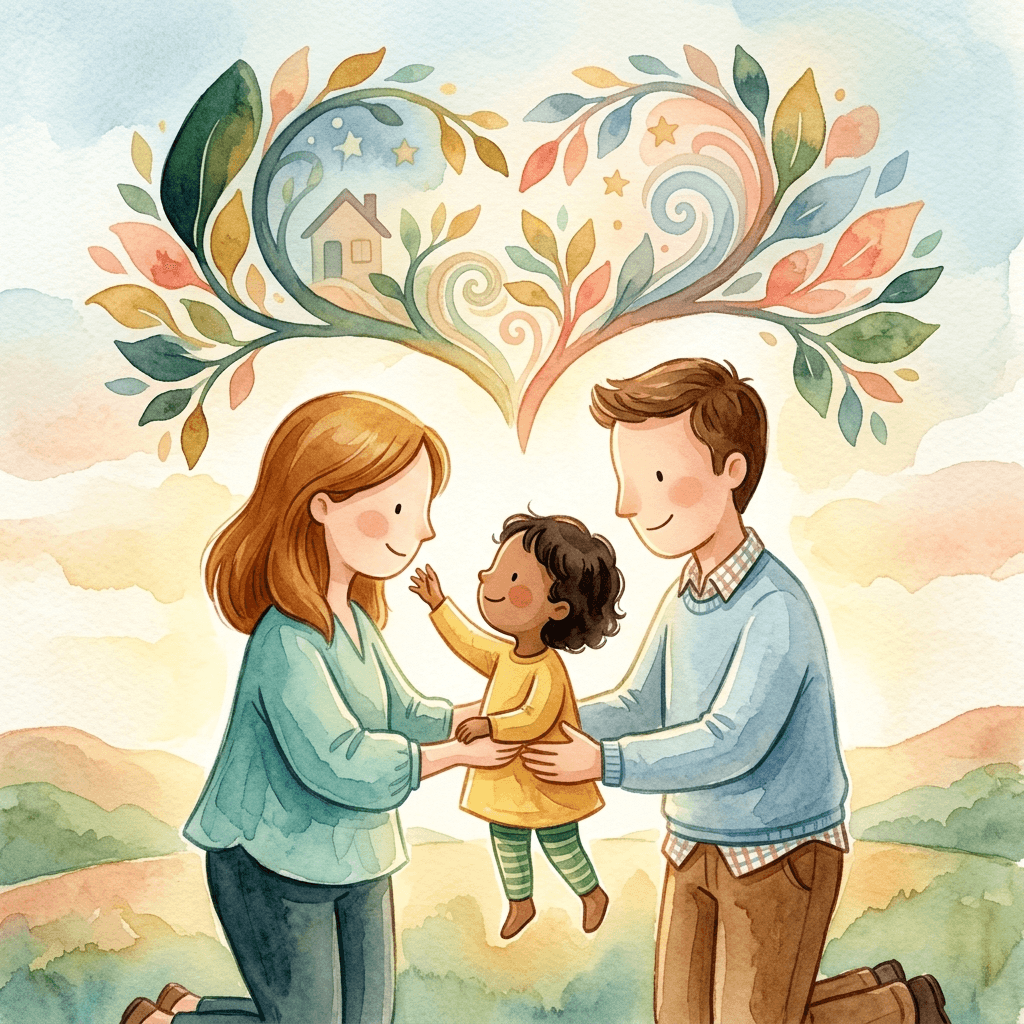
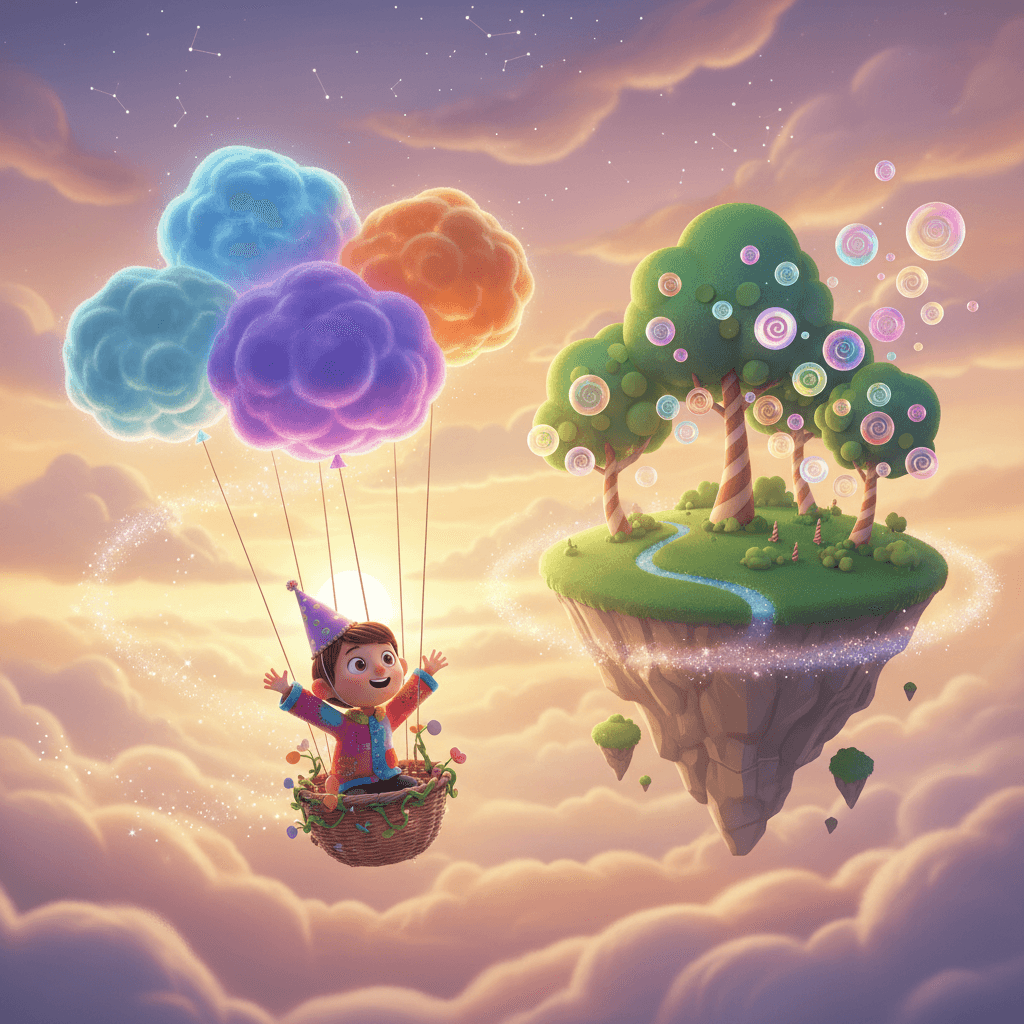
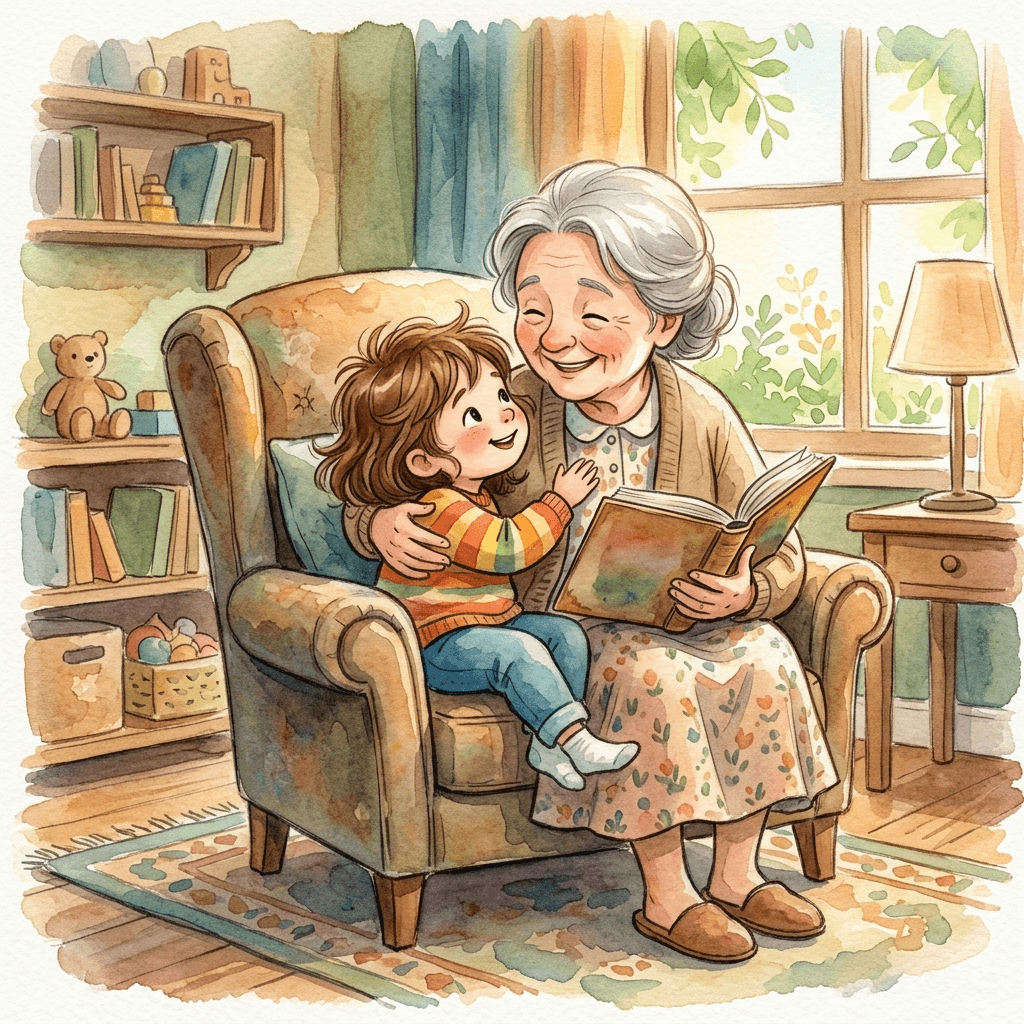
Lullaby's other styles — Pixar Adventure, Dreamy Watercolor, Bold Comic, Anime Fantasy, Claymation, and Modern Minimalist — each have their own strengths. Watercolor is calming and tender. Comic is energetic and bold. Pixar is expressive and cinematic. These styles work beautifully for the moods they evoke.
Stylized Realism is different in its goal. Where other styles ask "what kind of visual world does this story inhabit?", Stylized Realism asks "how can we make sure every reader recognizes this child on every page?" The answer is a style that prioritizes likeness above all else, without sacrificing the warmth and craft that makes an illustration worth lingering over.
This is the style grandparents tend to love. When you share a printed book with someone who knows your child well, Stylized Realism is the style that makes them say, "That's exactly what she looks like."
All seven styles remain available. Stylized Realism is the new default, but you can choose any style when creating your story — and the right choice still depends on the story you want to tell.
Full-Spread Illustrations — Every Page Is a World
Traditional picture book layouts often separate text and image. One page carries the words; the facing page carries the illustration. Or illustrations sit in a defined box while text flows beside them. It is a clean, readable format — and it means that some pages are mostly blank.
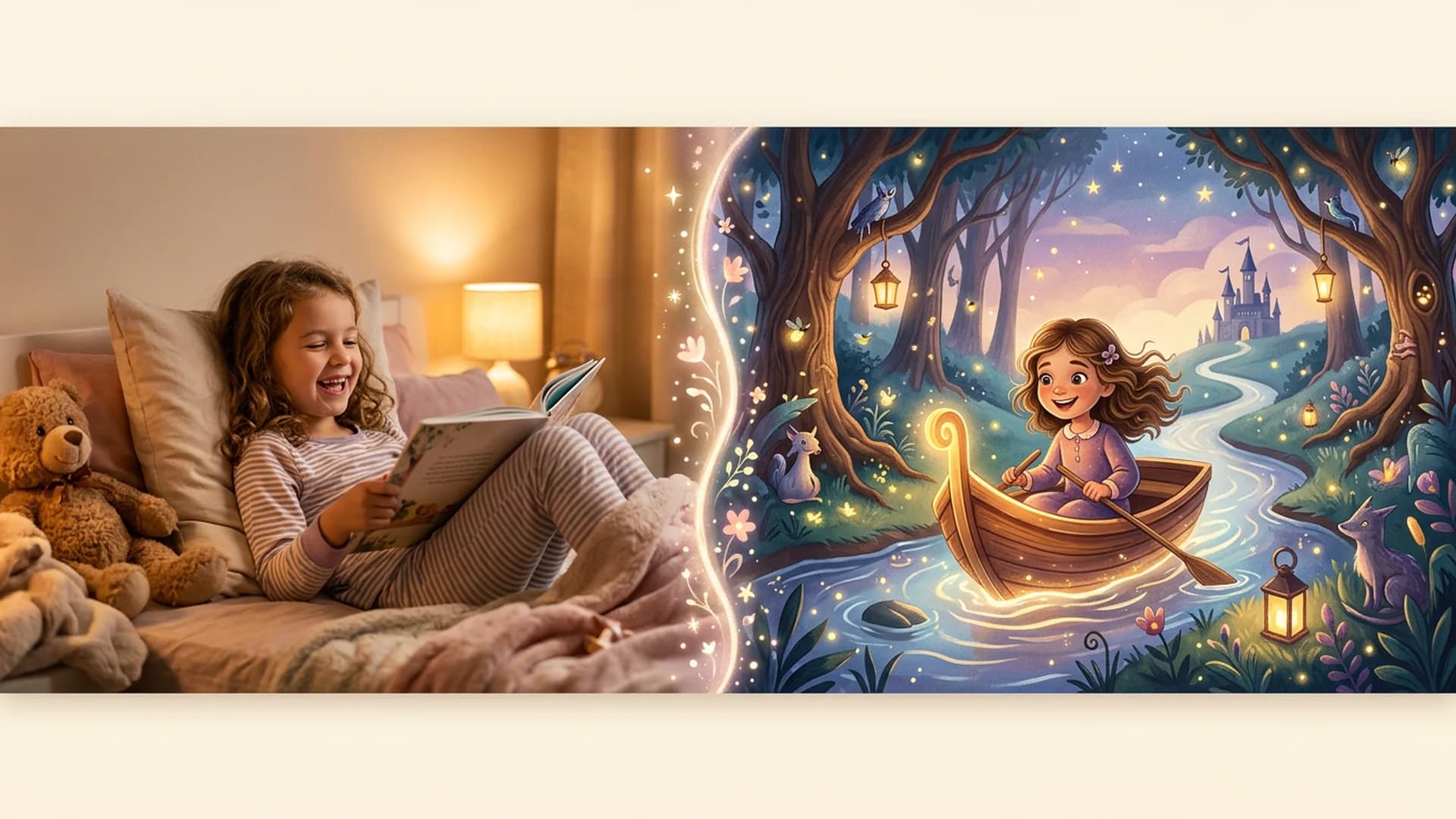
Full-spread illustrations change the format entirely. Every page is now a panoramic 16:9 scene that fills the entire spread. Text is overlaid directly on the illustration, positioned and styled to remain legible against the scene beneath it. There are no text-only pages, no white backgrounds, no moments where the visual world disappears.
Every page turn reveals something new. A forest opening into a meadow. A spaceship approaching a ringed planet. A child stepping through a door into a room full of light. To see how this works in practice, explore how Lullaby creates illustrated storybooks.
Full-spread illustrations are especially striking in printed books. The panoramic format fills the physical spread completely, giving every page the feel of a premium, art-forward picture book rather than a standard children's paperback.
Why This Matters for the Reading Experience
Children respond to illustrations before they respond to words. When they open a book and every page is a fully realized world, the story becomes something to explore rather than just follow. Details appear in the background — a rabbit half-hidden in tall grass, a constellation visible through a window — that reward close looking.
The previous layout had real strengths: text on its own space is always easy to read, and illustrations had room to breathe. But the new format creates something different. It makes the story feel continuous, immersive, like the child is moving through a world rather than reading about one. Page after page, there is somewhere to be.
For printed books, the difference is especially striking. The panoramic format fills the physical spread completely. When you open to any page, you see a scene — not a page with a scene on part of it. It gives every book the feel of a premium, art-forward picture book.
Better Together
These two features were designed to complement each other, and the combination is the clearest expression yet of what Lullaby is trying to do.
Stylized Realism puts a recognizable version of your child into the story. Full-spread illustrations put that character into a world that surrounds them completely. The result is a book where your child does not just appear in a scene — they inhabit one. Every page is evidence that this world was built for them.
The combination also works with every other art style. Full-spread panoramic illustrations are not limited to Stylized Realism — every style now generates full-spread scenes. If you love the softness of Dreamy Watercolor or the energy of Bold Comic, those styles now fill every page the same way. Stylized Realism simply ensures that the character at the center of those scenes looks most like your child.
Whether you choose the new default or one of the six other styles, every new story created from today forward will be fully immersive, page to page.
Try It Now
Both features are live for all new stories created on Lullaby. There is nothing to enable or configure — when you create a new story, Stylized Realism is the default style, and full-spread illustrations are the new format.
Stories created before today keep their original art style and layout. If you want to experience the new look, the easiest way is to create a new story. For a full comparison of how Lullaby stacks up against other AI children's book generators, see our 2026 comparison guide.