Every parent knows the feeling: your child clutches your hand, eyes wide, refusing to enter a dark room or approach a friendly dog. Childhood fears are nearly universal—research shows that specific and social fears touch almost all children in both mild and severe forms, with only a minority requiring clinical attention. While these fears are a normal part of growing up, they can significantly impact a child's daily life, sleep quality, and emotional well-being.
The good news? One of the most powerful tools for helping children overcome fears has been sitting on bookshelves for centuries: stories.
Understanding Childhood Fears
Before we can help children overcome their fears, we need to understand what's happening in their developing brains. Fear is actually a healthy, protective emotion—it's our brain's alarm system, designed to keep us safe from danger.
The Developmental Timeline of Fears
Children's fears evolve predictably as their cognitive abilities develop:
| Age Range | Common Fears | Why They Emerge |
|---|---|---|
| 0-6 months | Loud noises, sudden movements | Startle reflex, limited understanding |
| 6-12 months | Strangers, separation from caregivers | Object permanence developing |
| 1-3 years | Dark, monsters, animals, toilets | Imagination emerges before logic |
| 3-6 years | Supernatural creatures, being alone, thunder | Magical thinking peaks |
| 6-9 years | Physical injury, burglars, natural disasters | Understanding of real-world dangers |
| 9-12 years | Social rejection, school failure, death | Abstract thinking and social awareness |
Understanding this timeline helps parents recognize that most childhood fears are developmentally appropriate—and that stories can meet children exactly where they are.
According to developmental psychology research, normative fears follow a predictable pattern: fears of situations and environment emerge in early childhood, fears of animals and imaginary creatures peak between ages 4-8, injury fears appear in pre-adolescence, and social-evaluative fears increase during adolescence. Most childhood fears are transitory and naturally diminish with age.
When Fear Becomes Anxiety
While fears are focused on specific objects or situations (dogs, thunder, the dark), anxiety is a more generalized sense of worry or dread. Some signs that a child's fears may be crossing into anxiety include:
- Fears that persist for more than six months
- Significant interference with daily activities
- Physical symptoms (stomachaches, headaches)
- Avoidance behaviors that limit experiences
- Sleep disturbances lasting more than a few weeks
If you notice these patterns, stories can still be a valuable tool—but consider consulting with a pediatrician or child psychologist for additional support.
The Science of Bibliotherapy
Bibliotherapy—using books therapeutically to support emotional and mental health—has been studied extensively since the 1930s. Modern research has revealed powerful mechanisms behind why stories help children process difficult emotions.
How Stories Create Psychological Distance
When children read about a character facing a fear, something remarkable happens in their brains. The fear activates their emotional centers, but because it's happening to someone else, their logical brain stays engaged. This "psychological distance" allows children to:
- Experience the emotion safely
- Observe coping strategies in action
- Process their feelings without feeling overwhelmed
- Practice being brave vicariously
Dr. Keith Oatley, professor emeritus of cognitive psychology at the University of Toronto, describes this as a "flight simulator for emotions"—stories allow children to practice emotional experiences in a safe context. His research has shown that fiction serves as a simulation that runs on minds, helping readers develop empathy and social skills.
Mirror Neurons and Emotional Learning
When children engage deeply with story characters, their mirror neurons activate, creating neural patterns similar to actually performing the actions they're reading about. A child reading about a character taking deep breaths to calm down is literally practicing calming themselves at a neurological level.
For maximum benefit, engage your child actively while reading: "How do you think Brave Bear is feeling right now? What do you think he should do?" This active engagement strengthens the neural connections being formed.
Research-Backed Results
The evidence for bibliotherapy's effectiveness continues to grow:
- A 2018 meta-analysis published in Neuropsychiatric Disease and Treatment analyzed randomized controlled trials and found bibliotherapy was significantly more effective than control conditions for reducing symptoms of depression and anxiety in children (standardized mean difference of -0.52)
- Research by Richards and Richardson concluded that guided bibliotherapy—accompanied by structured support such as goal setting, discussion, and task review—produces significantly better outcomes than unguided reading alone
- Studies on personalized children's books show that children are more engaged, more likely to have favorite books, and demonstrate greater verbal involvement—with research finding that children who typically lack representation benefit most from seeing themselves in stories
Choosing the Right Stories for Your Child
Not all stories are equally effective for addressing fears. The most therapeutic stories share certain characteristics.
Elements of Effective Fear-Addressing Stories
1. Relatable Characters The character should be similar enough to your child that they can identify with them. This might mean matching age, circumstances, or personality traits. Personalized stories that include your child's name and characteristics create the strongest identification.
2. Accurate Emotional Representation The character should experience genuine fear—not be dismissive or immediately brave. Children need to see that it's okay to feel afraid before learning they can overcome it.
3. Visible Coping Strategies Effective stories show characters using specific techniques:
- Deep breathing
- Positive self-talk
- Seeking comfort from trusted adults
- Facing fears gradually
- Finding humor or silliness
- Using comfort objects
4. Gradual Progression The best fear stories show a journey, not an instant transformation. Characters might face their fear in small steps, experience setbacks, and ultimately succeed through persistence.
5. Positive Resolution While stories shouldn't promise that all fears disappear, they should end with the character feeling more capable and confident. This doesn't mean the scary thing goes away—it means the character learns they can handle it.
Stories to Avoid
Be cautious with stories that:
- Use fear as punishment ("Be good or the monster will get you")
- Show graphic or intense frightening content
- Have ambiguous or scary endings
- Mock or minimize the character's fear
- Include fears significantly above your child's developmental level
Practical Strategies for Using Stories
Having the right books is only the beginning. How you use them matters just as much.
Creating the Right Environment
Timing Matters Read fear-addressing stories during calm, connected moments—not immediately after a fear episode. Bedtime can work well because the relaxed state helps children process emotions, but avoid scary content that might increase bedtime anxiety.
Physical Comfort Ensure your child is physically comfortable: cozy spot, favorite blanket, perhaps a comfort object nearby. Physical safety cues help the brain stay regulated while processing emotional content.
Your Presence Your calm, regulated presence is essential. Children co-regulate with caregivers, so your relaxed tone and steady heartbeat communicate safety even while discussing scary topics.
Reading Techniques That Help
1. Preview the Book For highly anxious children, flip through the book first, looking at pictures and briefly summarizing what happens. Predictability reduces anxiety.
2. Pause and Connect Stop frequently to check in: "This part is a little scary. Are you doing okay?" This teaches children to notice and name their internal states.
3. Make It Interactive
- "What would you do if you were Leo?"
- "How does your tummy feel when we read this part?"
- "Should we try taking three deep breaths like the character did?"
4. Practice Coping Skills Together When a character uses a coping strategy, practice it together. Take the deep breaths. Say the brave words. Do the silly dance. Physical practice strengthens learning.
5. Discuss After Reading After finishing, talk about the story:
- "What helped the character feel braver?"
- "Have you ever felt like that?"
- "What could you try next time you feel scared?"
Research shows that books read multiple times are more effective for emotional learning. Don't worry about repetition—children benefit from hearing the same coping strategies modeled again and again.
Building a Fear-Addressing Library
Consider building a collection of stories addressing common childhood fears:
| Fear | Story Elements to Look For |
|---|---|
| Dark | Characters who discover nighttime is safe, use nightlights, or find comfort objects. See our detailed guide on how personalized bedtime stories help kids overcome fear of the dark. |
| Monsters | Characters who befriend monsters, discover they're not real, or learn to feel brave |
| Separation | Characters who learn parents always come back, develop goodbye rituals |
| Dogs/Animals | Characters who learn about animal behavior, approach gradually, have positive encounters |
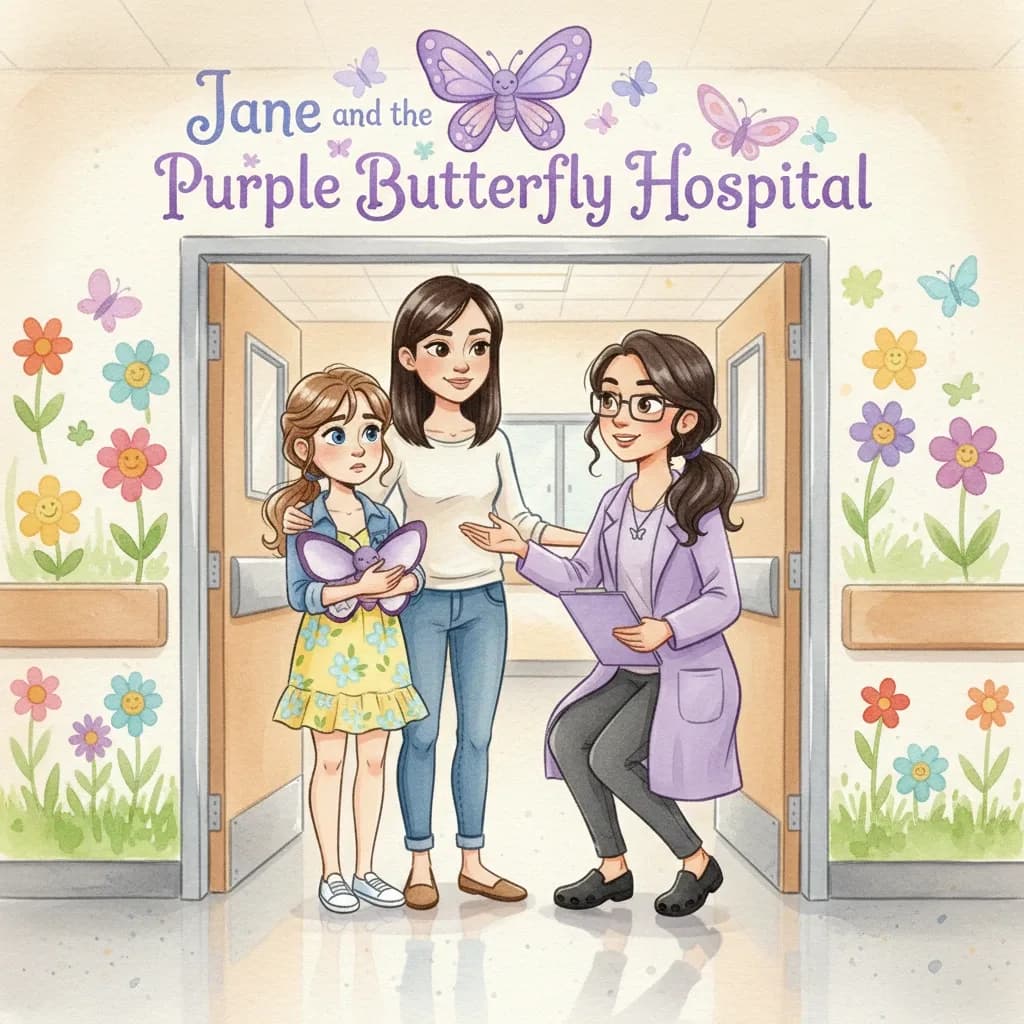
| Doctors | Characters who learn what to expect, discover doctors help, feel brave. For medical situations, read about using a personalized story to help a child cope with surgery. |
| New Situations | Characters who try new things, make friends, discover they can adapt |
| Storms | Characters who learn about weather, create safety routines, find cozy shelter |
The Power of Personalized Stories
While traditional books offer wonderful options for addressing fears, personalized stories where your child is the protagonist offer unique advantages.
Why Personalization Works
When a child sees their own name and characteristics in a story, several powerful things happen:
Stronger Identification There's no question of whether the character is "like them"—the character is them. This creates immediate, deep engagement with the narrative.
Direct Self-Efficacy Instead of thinking "that character was brave," the child thinks "I was brave." This creates what psychologists call self-efficacy—the belief that they are capable of handling challenges.
Customizable Content Personalized stories can address your child's specific fears with their specific comfort strategies. A story about a child named Emma who is afraid of dogs and calms herself by squeezing her stuffed bunny is more powerful for Emma than a generic story about a generic child.
Rereading Appeal Children love seeing themselves in stories and often request personalized books again and again—exactly the repetition that strengthens emotional learning. This same principle applies to building reading confidence in reluctant readers, where personalization turns hesitant kids into eager ones.
Creating Effective Personalized Fear Stories
When creating personalized stories for your child, consider including:
- Your child's specific fear accurately represented
- Coping strategies your child already uses or is learning
- Familiar settings (their bedroom, their school)
- Real comfort objects or supportive figures in their life
- Gradual progression from afraid to capable
- A positive ending that feels achievable, not magical
At Lullaby, we've designed our story generation to support emotional development, including helping children work through common fears in personalized, age-appropriate ways.
Age-Specific Approaches
Different developmental stages require different approaches to using stories for fear.
Toddlers (1-3 years)
At this age, children's fears often stem from their emerging imagination outpacing their logical understanding.
Story Characteristics:
- Simple, short narratives
- Clear, simple pictures
- Repetitive, predictable patterns
- Happy, definitive endings
- Minimal scary imagery
Reading Strategies:
- Keep sessions short (5-10 minutes)
- Use animated, comforting voices
- Focus on pictures rather than complex text
- Provide lots of physical comfort
- Read favorites repeatedly
Preschoolers (3-6 years)
This is peak fear age, with vivid imaginations and magical thinking.
Story Characteristics:
- Stories that take fears seriously
- Characters who use visible coping strategies
- Some humor to lighten heavy topics
- Clear distinction between real and imaginary
- Empowering endings
Reading Strategies:
- Validate that fears feel real
- Connect story strategies to real-life situations
- Practice coping skills together
- Use stuffed animals or puppets to replay stories
- Create "brave" rituals from story elements
School-Age Children (6-12 years)
Fears become more realistic and socially oriented.
Story Characteristics:
- More complex narratives
- Relatable real-world scenarios
- Characters who struggle before succeeding
- Some ambiguity and nuance
- Problem-solving approaches
Reading Strategies:
- Discuss the character's internal experience
- Connect to your child's specific situations
- Encourage independent rereading
- Use books as conversation starters
- Respect growing need for privacy around fears
Beyond the Book: Extending Story Learning
The most powerful therapeutic reading doesn't end when the book closes.
Story-Based Activities
Draw the Fear Have your child draw the fear, then draw themselves being brave. Display the brave picture prominently.
Act It Out Use puppets, stuffed animals, or role-play to reenact the story, with your child playing the brave character.
Create a Brave Toolkit Gather items mentioned in stories: a special flashlight, a calming stuffed animal, a brave cape. Having physical objects from stories makes coping strategies tangible.
Write the Sequel For older children, write or dictate what happens next: "Now that Leo is brave about dogs, what other brave things might he do?"
Real-Life Practice After reading, create gentle opportunities to practice. After a story about meeting dogs, perhaps visit a calm dog for a brief, positive interaction.
Building Long-Term Resilience
Fear-addressing stories are most powerful as part of a broader emotional intelligence approach:
- Read about many emotions, not just fear
- Model healthy emotional expression yourself
- Create family culture where feelings are discussed openly
- Celebrate attempts at bravery, not just successes
- Teach that fear is normal and useful, not shameful
Keep a "Brave Moments" journal where you record times your child faced something scary. Before reading fear-addressing stories, review past brave moments together. This reminds children that they have already proven they can handle hard things.
When to Seek Additional Support
While stories are a powerful tool, they're not a substitute for professional help when needed. Consider seeking support from a child psychologist or counselor if:
- Fears significantly interfere with daily life for more than six months
- Your child experiences panic attacks
- Fears are accompanied by other concerning behaviors
- Your child's fears seem to be worsening despite intervention
- You're seeing signs of depression alongside anxiety
- Your own anxiety is making it hard to support your child
Many children benefit from combining bibliotherapy with professional cognitive-behavioral approaches.
Making Stories Part of Your Daily Practice
The most effective fear intervention isn't a single perfect book—it's the ongoing practice of reading together, discussing emotions, and building coping skills over time.
Weekly Rotation Include at least one emotion-focused book in your weekly reading rotation, addressing various feelings including fear.
Responsive Reading When you notice your child struggling with a specific fear, find or create a relevant story within a few days.
Model Your Own Process Occasionally read picture books about adult fears (public speaking, trying new things) and discuss how you cope.
Celebrate Progress When your child shows increased bravery, connect it to story characters: "You were brave like Leo today!"
Creating Your Child's Brave Story
Every child deserves to be the hero of their own story—literally. When children see themselves overcoming fears in narrative form, they begin to believe they can do it in real life too.
Whether through beloved traditional books or personalized stories tailored to your child's specific world, the gift of therapeutic storytelling is one that keeps giving. Each time your child returns to a story of bravery, they strengthen the neural pathways that support emotional resilience.
The next time your child faces a fear—whether it's the dark, a new school, or a scary dog—remember that you have a powerful tool at your disposal. Find a story where someone just like them faces something just like that. Read it together, practice the coping skills, and watch as the magic of narrative transforms fear into something they can overcome.
Because that's what stories have always done: they show us who we might become, and in doing so, help us become it.
Sources
- Yuan, S., et al. (2018). Comparative efficacy and acceptability of bibliotherapy for depression and anxiety disorders in children and adolescents: a meta-analysis of randomized clinical trials. Neuropsychiatric Disease and Treatment.
- Oatley, K. (2011). The mind's flight simulator. The Psychologist, British Psychological Society.
- Oatley, K. (2016). Fiction: Simulation of Social Worlds. Trends in Cognitive Sciences.
- Nikolajeva, M. (2019). How Could Children's Storybooks Promote Empathy? A Conceptual Framework Based on Developmental Psychology and Literary Theory. Frontiers in Psychology.
- Kucirkova, N., et al. (2022). Impacts of a personalized book giveaway intervention in low-SES households. Early Childhood Research Quarterly.
- Muris, P., et al. (2020). Specific and social fears in children and adolescents: separating normative fears from problem indicators and phobias. Social Psychiatry and Psychiatric Epidemiology.
- Beesdo, K., et al. (2009). Anxiety and Anxiety Disorders in Children and Adolescents: Developmental Issues and Implications for DSM-V. Psychiatric Clinics of North America.